In the world of high-end hospitality design, few names carry the weight and quiet authority of SHL Asia. Founded in 2010 in Bali, known formally as Swarna Hutama Loka, has spent more than 15 years building a reputation for architecture that is both visually striking and emotionally resonant. While the hospitality design sector in Asia-Pacific has grown increasingly crowded, SHL Asia has carved out a unique niche: delivering projects that are as rooted in cultural heritage and environmental stewardship as they are in elegance and functionality.
Swarna Hutama Loka, a Sanskrit phrase meaning “a place of golden value.” This is more than a poetic title—it is a declaration of intent. Each word carries significance: Swarna (gold) symbolises prosperity and timeless worth; Hutama refers to the most excellent, representing the team’s commitment to quality and thoughtful design; Loka denotes place or realm, grounding their work in context. Together, the name encapsulates a pursuit of quality, cultural richness, and holistic well-being, encompassing the material, emotional, and spiritual.
From the start, SHL Asia was not interested in simply producing attractive buildings. As co-founders have often stated, design is “not merely about creating form, but about conveying meaning, a way to weave connections between people, nature, culture, and time.” This conviction would shape the trajectory of the firm, influencing not only its methods but also the calibre of clients and projects it would attract.
“Our ambition lies in creating beauty that feels effortless, visually striking yet environmentally gentle”. In a world where architecture often seeks to impose itself, SHL Asia chooses to listen, adapt, and integrate.
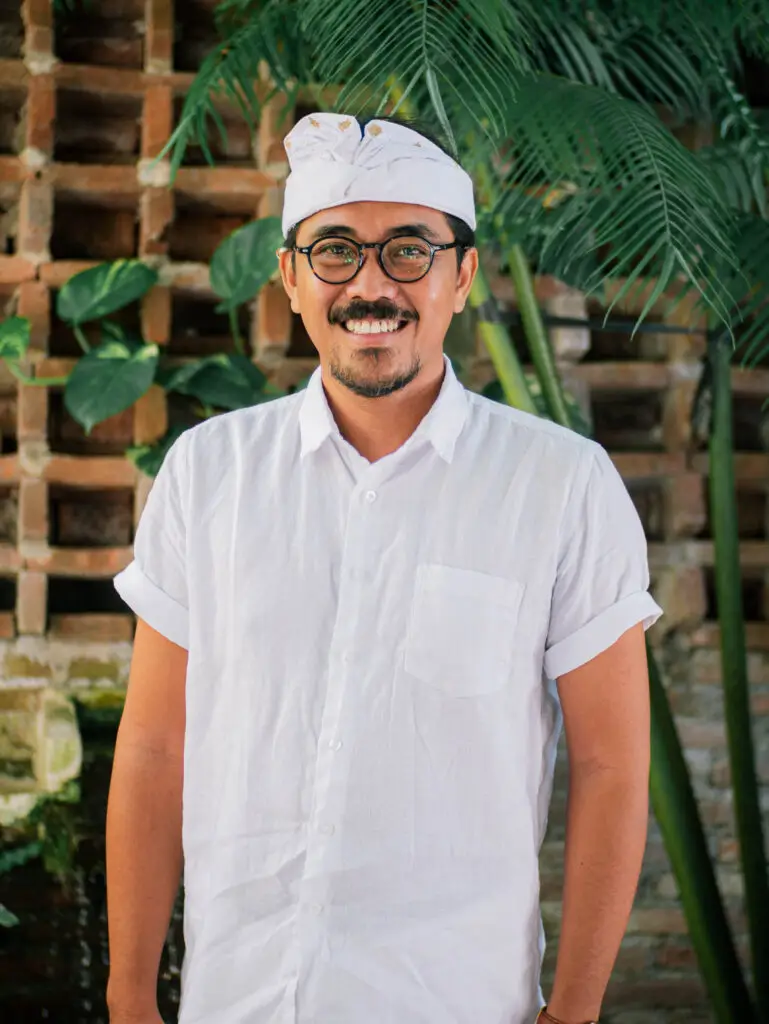 I Kadek Agus J. Sastaparamartha or Sasta Jelantik is a managing director and one of the two founders of SHL Asia
A Philosophy Written in the Land: Desa Kala Patra
Central to SHL Asia’s identity is the Balinese concept of Desa Kala Patra. This traditional philosophy teaches the importance of placing everything in its proper location (desa), at the right moment (kala), and within the correct context (patra). For the studio, this is not a romantic abstraction—it is a working framework.
In practice, Desa Kala Patra means conducting deep research before the first sketch is drawn: understanding the microclimate, listening to local stories, mapping wind and light patterns, and exploring the traditions that shape community life. It means using materials that not only perform well in the local environment but also carry cultural resonance. And it means designing spaces that feel inevitable, as though they have grown from the land itself.
This principle also demands adaptability. A site in the lush uplands of Bali will require different responses than a windswept atoll in the Maldives or a spiritual cliffside in Nusa Penida. Yet in every project, SHL Asia seeks that moment when form, function, and meaning align.
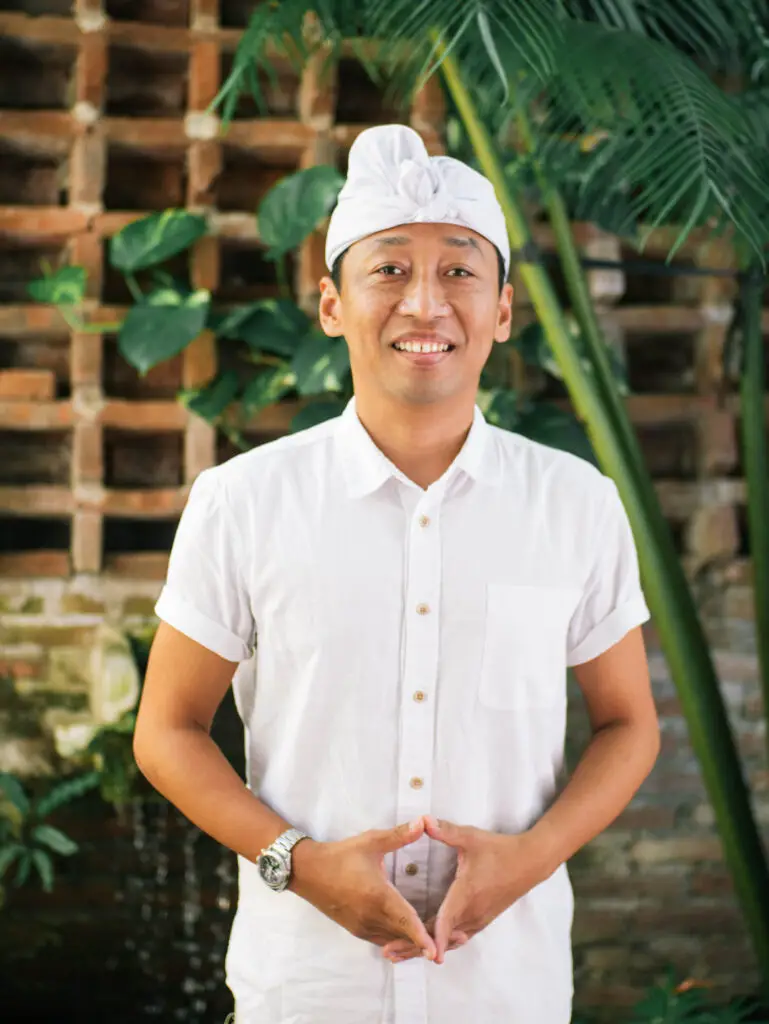 I Gusti Agung Ngurah Widianingrat or also known by the name Jung Yat, is the Director of Business Development and founder of SHL Asia
From Modest Beginnings to a Multidisciplinary Force
SHL Asia’s journey began with a focus on residential projects in Bali and has evolved into a wide range of hospitality and resort developments across Indonesia and beyond. They have expanded their reach to Eastern Indonesia, India, and Southeast Asia, handling projects that vary in size and complexity.
Their clients now include not only visionary individuals but also international hotel brands and long-term-oriented investors. This growth reflects their ability to adapt to different markets, cultural contexts, and design challenges while maintaining SHL commitment to creating thoughtful, context-sensitive designs that harmonise with nature and local heritage.
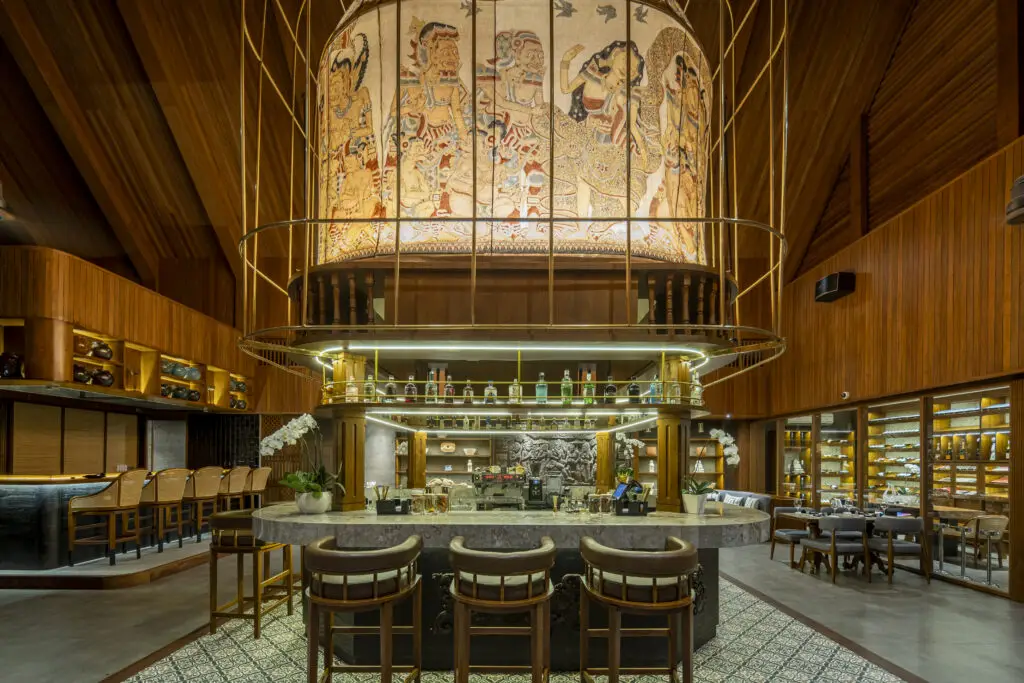 Madawa Restaurant at Jimbaran, Bali
Achievements That Tell a Story
Awards, while not the goal, have been an important validation of SHL Asia’s methods. In 2025, the SHL Asia received Asia’s Best Landscape Planning Award at the Asia Architecture Design Awards for Sanna Ubud – A Pramana Experience, a project that epitomises their integration of landscape, cultural narrative, and architecture. This recognition followed the Asia Property Award for Best Commercial Landscape Architecture in 2019 for Folk Pool & Gardens, which also earned national honours through the Indonesia Property Award and the IAI Awards.
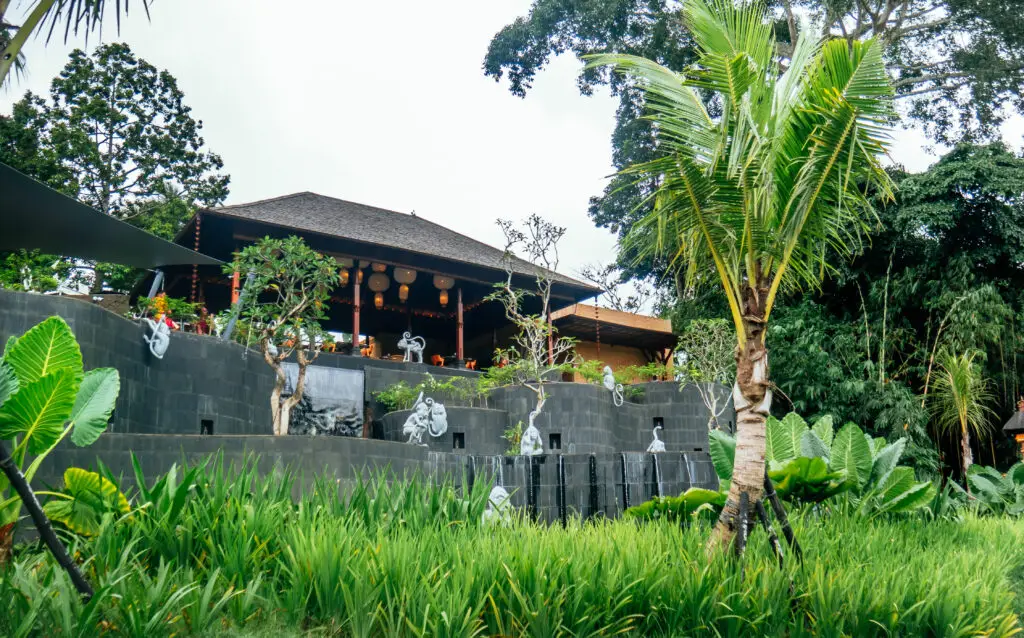 Sanna Ubud, Bali
In 2022, SHL Asia was named Best Architect Studio for Personalised and Meaningful Design and selected as a finalist in the International Loop Design Awards. Beyond the trophies, these accolades highlight a track record of delivering high-value hospitality environments that retain relevance and operational success over time.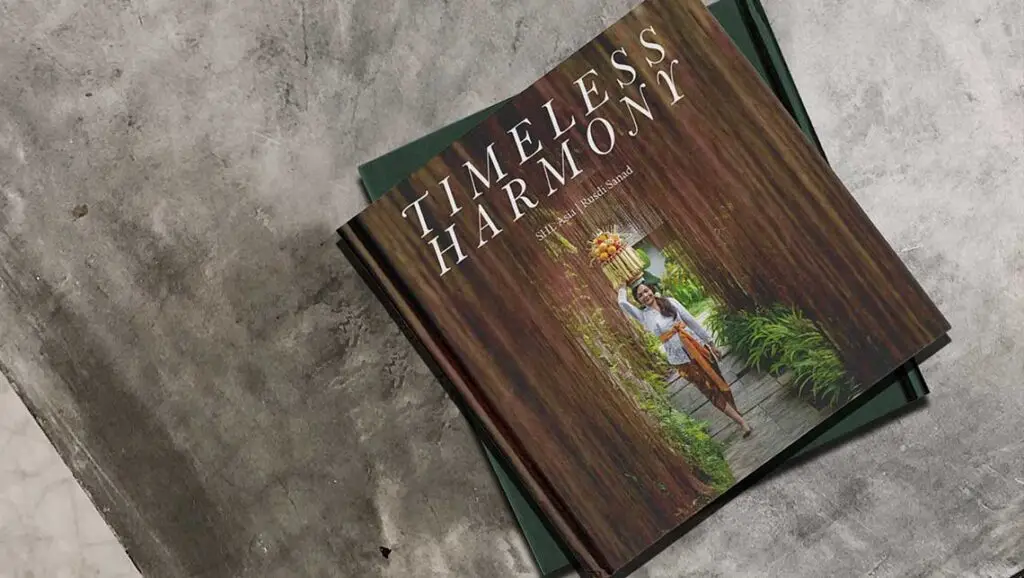 Timeless Harmony Book by SHL ASIA
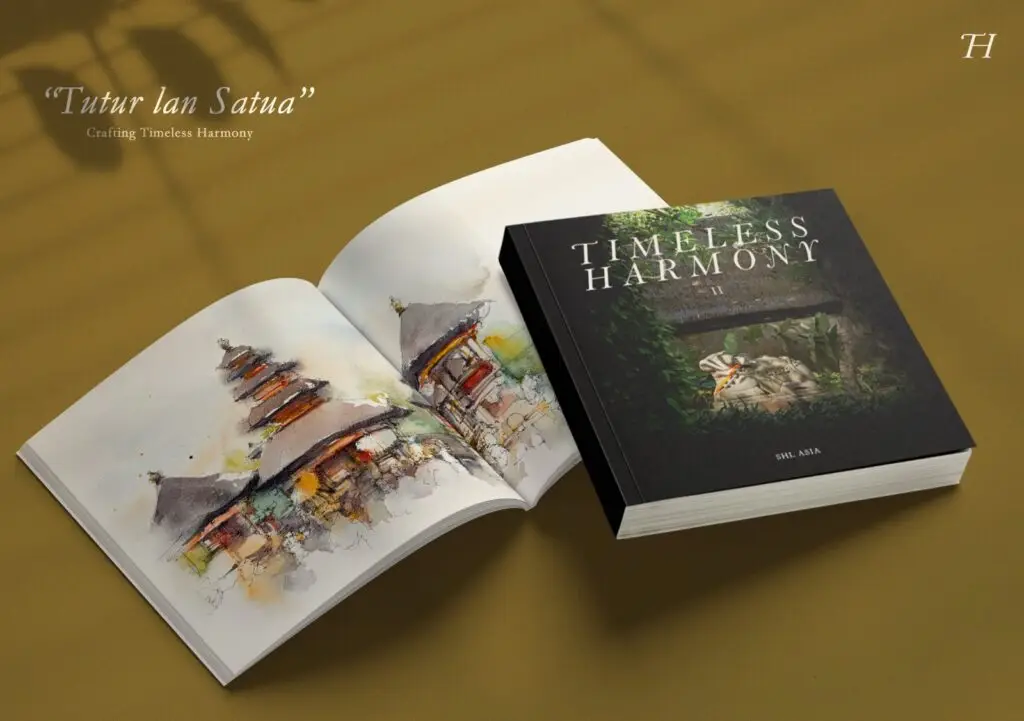
The release of their book Timeless Harmony was another milestone. More than a portfolio, it was a statement of intent—documenting the philosophy, process, and stories behind their most significant works. For clients, it was an invitation to see SHL Asia not just as designers, but as storytellers.
A Portfolio Shaped by Diversity
SHL Asia’s work spans a variety of geographies and scales. They have designed resorts in the Maldives where architecture lightly touches the sand, ensuring fragile ecosystems remain undisturbed. In India, they have developed hospitality concepts that integrate local building traditions with contemporary guest expectations. Across Eastern Indonesia, they have crafted villa estates and resorts that embrace rugged topographies and cultural diversity.
What unites these varied projects is a refusal to impose a single “house style.” Instead, each project emerges from its environment and narrative, leading to spaces that are recognisable not by aesthetic repetition but by their authenticity and coherence.
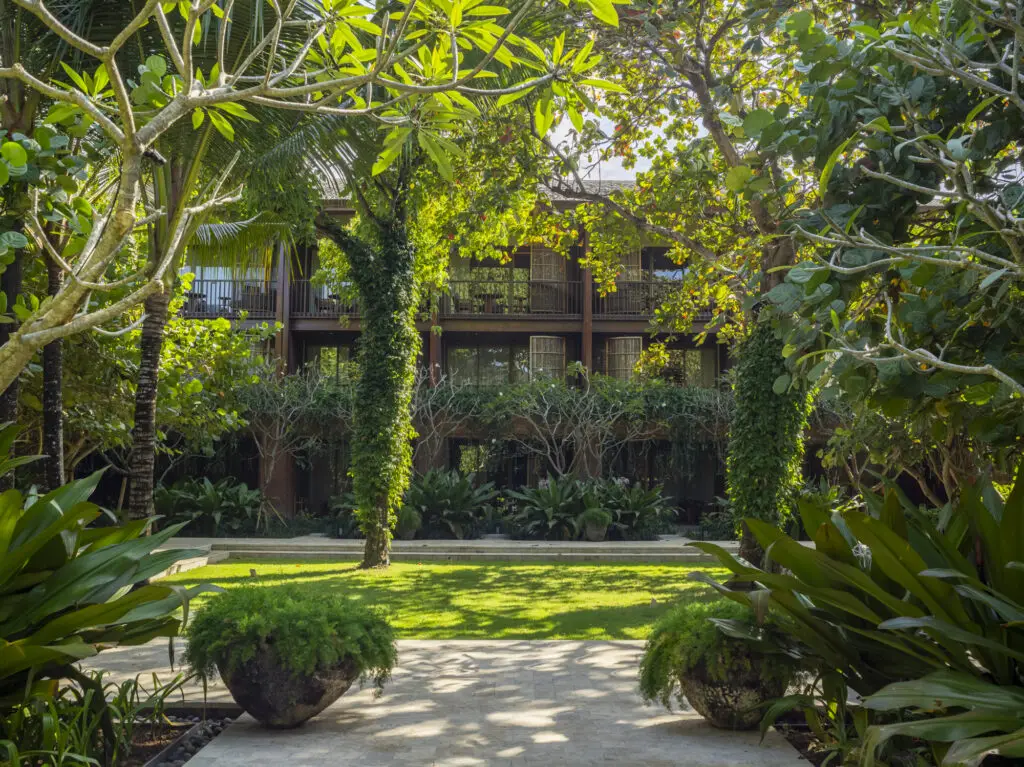 Andaz Bali Resort, Sanur
Designing with The Land
Conceptually, “designing with the land” means being in rhythm with nature, responding to the wind, sunlight, soundscape, and the cultural memory already present on the site. It’s not about controlling the land, but collaborating with it.
Technically, this philosophy comes to life through practical, respectful decisions:
- Letting the design follow the contours, minimising excavation and preserving the land’s natural form.
- Prioritise local materials, not only for their sustainability but also for their emotional and contextual resonance.
- Emphasise passive ventilation and lighting, allowing the architecture to breathe with its environment while reducing energy needs.
Every design element aims to create visual harmony where architecture feels integrated with the landscape, not imposed upon it. For SHL, good design doesn’t just sit on the land; it grows with it.
They believe that architectural greatness doesn’t require dominating the land to make an impression. SHL’s ambition lies in creating beauty that feels effortless, designs that are visually striking yet environmentally gentle.
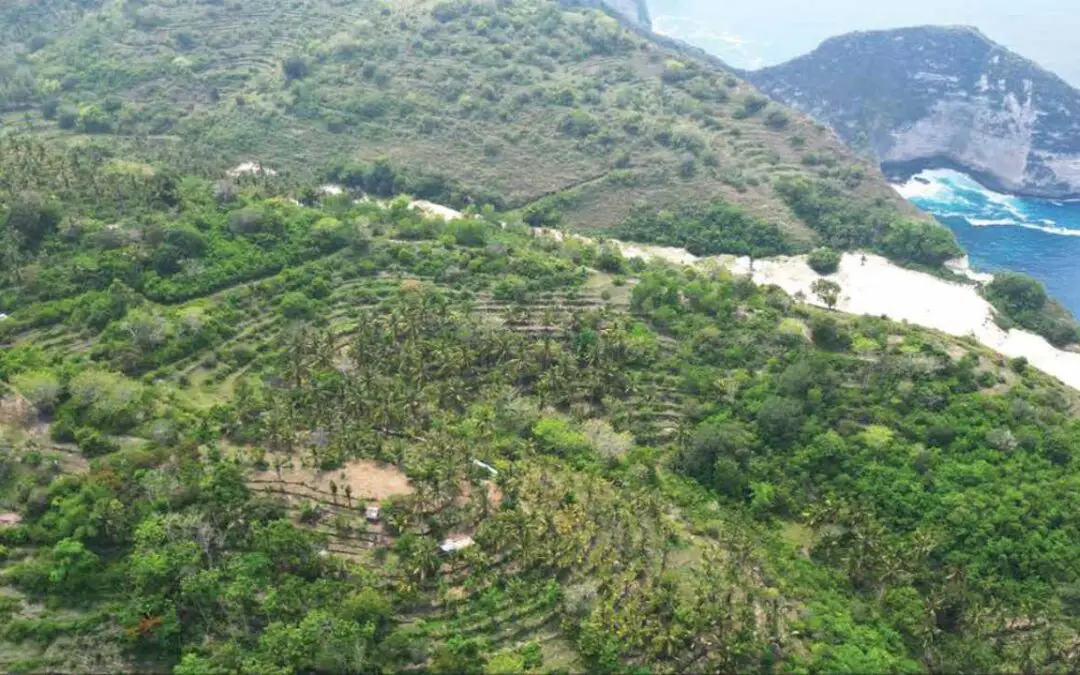
CROSS Celesta Nusa Penida: A Site That Speaks
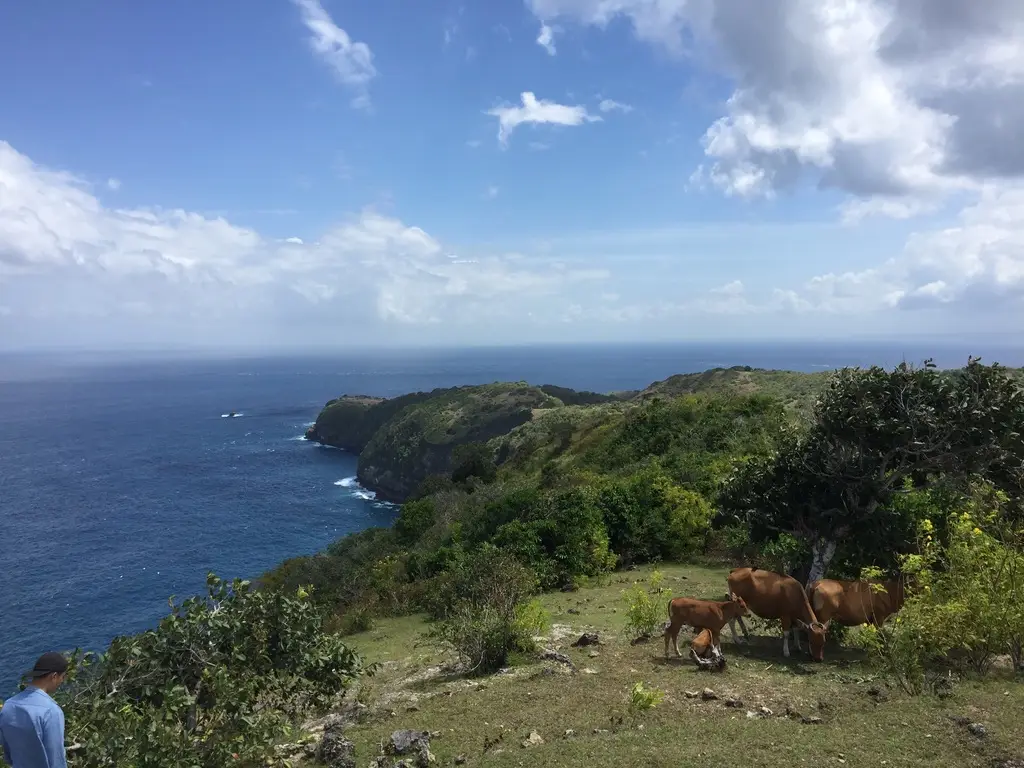 “What excited us most about the CROSS Celesta Nusa Penida project was the extraordinary character of the site; remote, spiritual, and shaped by dramatic contours. It’s the kind of land that speaks before we design.” – SHL Asia
From the beginning, the CROSS Celesta Nusa Penida project offered a rare opportunity to create something deeply harmonious with nature, where architecture doesn’t compete with the landscape but flows with it. The isolation of the site allowed the imagination of a retreat that feels both exclusive and meditative, where every step and space invites reflection and connection to the surroundings.
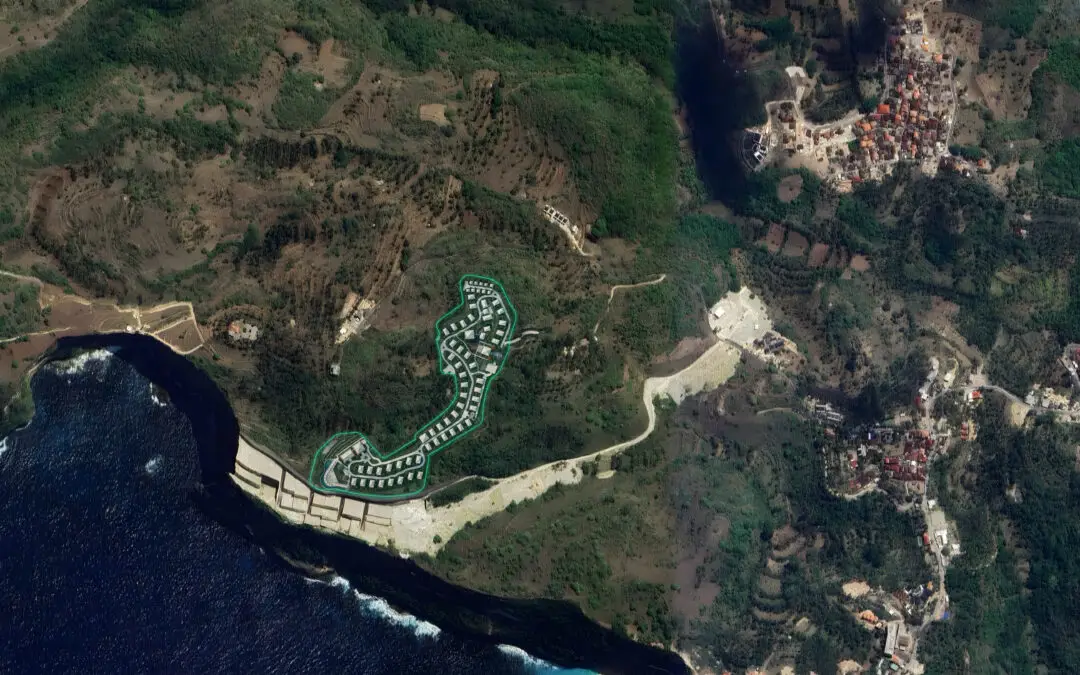
For SHL Asia, the challenge was not simply to design, but to listen. The site is steep, elemental, and imbued with a spiritual atmosphere that demands respect. Their approach began with “observation before intervention”, time spent understanding the rhythm of wind and light, the behaviour of the land through seasons, and the cultural stories embedded in its limestone terrain. Out of this process, a terraced masterplan emerged: one that follows the slope, preserves sightlines, and minimises excavation.
The guest journey was imagined as an emotional arc: arrival at a dramatic vantage point with sweeping sea and cliff views, followed by a gentle descent into private, contemplative spaces. The architecture guides rather than dominates, framing moments of stillness and intimacy with the landscape.
SHL also envisioned artworks and constellations as part of the narrative fabric of CROSS Celesta Nusa Penida. At the heart of this vision stand three monumental pieces—Batu Amerta, Batu Segara, and Batu Abing. More than sculptures, they are contemporary symbols of Tri Murti, the Balinese trinity of creation, preservation, and transformation. Crafted from locally sourced limestone, the very stone that gives Nusa Penida its ancient name, Pulau Kapur (Limestone Island), they anchor key points across the site, each marking thresholds of transition, reflection, or renewal.
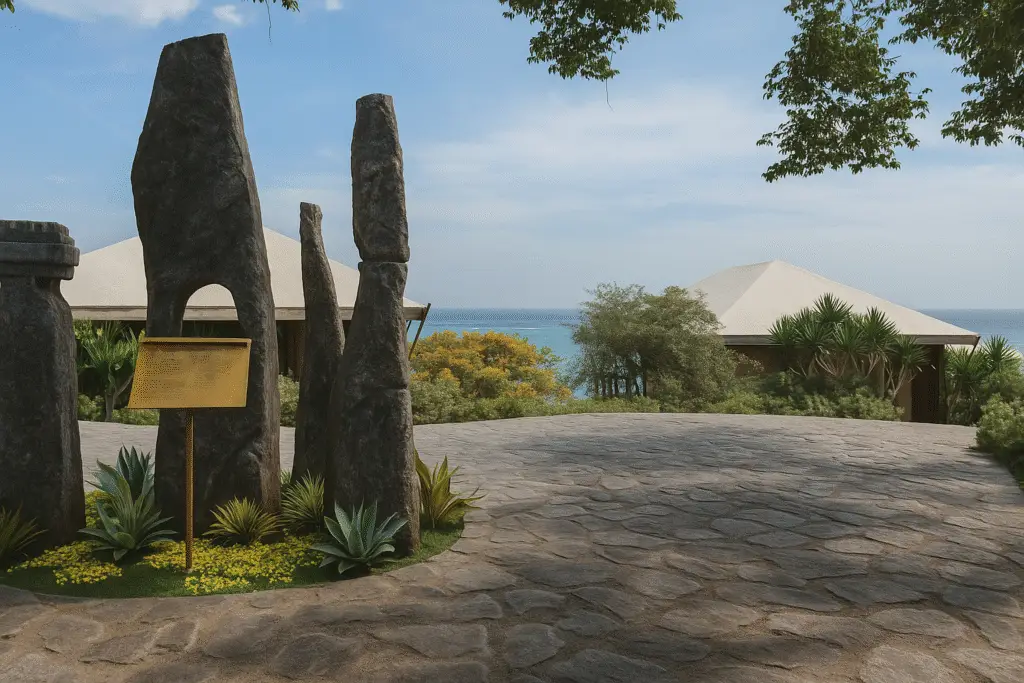
By day, these stones ground the landscape in heritage and memory. By night, they are illuminated softly, becoming luminous wayfinders that echo the stars above. In fact, constellations themselves inspired the site planning: pathways and gathering spaces are aligned to celestial patterns, subtly reminding guests that their journey here is not only earthly but also cosmic. In this way, CROSS Celesta emerges as more than a retreat into nature, it is also an immersion into myth, astronomy, and artistry, where every step resonates with both land and sky.
Conceptual Development by SHL
The concept of “Nusa Penida: Expedition to the Mystical Island” became the guiding vision. Inspired by early European researchers who camped across the island, the project recalls a spirit of discovery, adventure, and communion with untamed nature. The design layers these narratives into the resort:
- Arrival & Entrance Road – a pathway edged with natural plant life and gravel textures, evoking a forested expedition trail. A local stone marker and flowering tree signal the transition into the glamping domain.
- Main Roundabout & Lobby – a colonial camp-inspired drop-off, with lanterns, bonfire, and tented architecture. The reception tent opens to panoramic landscapes, offering the first expansive embrace of Nusa Penida’s beauty.
- Pathways & Buggy Routes – meandering trails designed with compacted soil and shaded resting points, reinforcing a sense of exploration. Buggy intersections draw from local beliefs of energy flow, embedding cultural resonance in circulation.
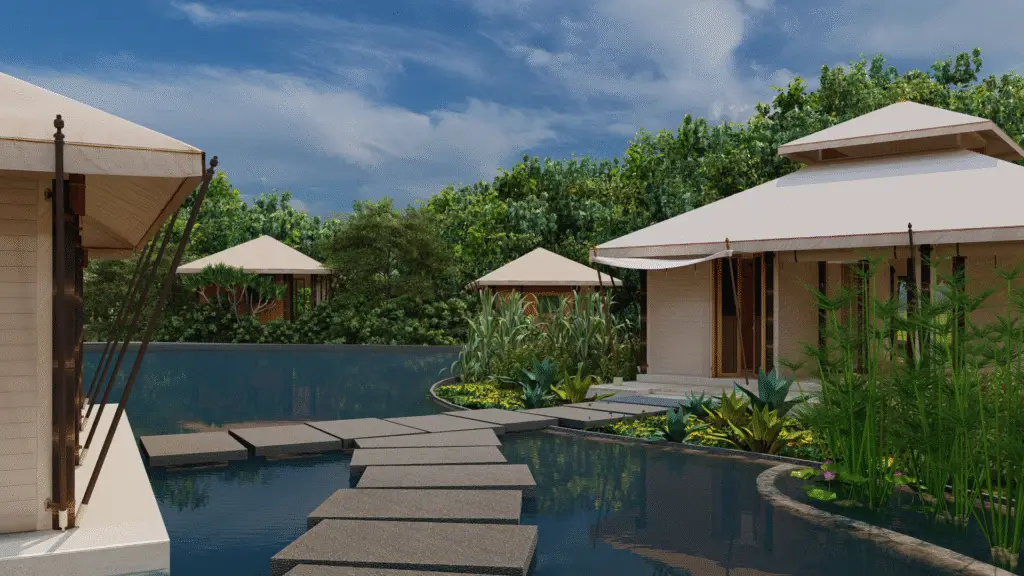
- Villa Placement – carefully staggered to respect contours and privacy, each guest tent is embraced by vegetation and orientated towards the horizon, ensuring uninterrupted ocean views.
- Wellness & Leisure – the spa is tucked within lush shrubs and enhanced by water features, while the pool area becomes a vibrant social hub overlooking the sea. An amphitheatre provides space for performances and gatherings, rooting the project in both intimacy and community.
- Cultural Anchors – a temple corner framed by moringa trees recalls local practices of warding off negative energy, blending spiritual depth into the resort fabric.
Read also: Preserving Cultural Heritage in Nusa Penida: The Way Forward
Design that Reveals, Not Imposes
Every detail reinforces authenticity. Pathways use compacted soil to recall the feel of exploration underfoot. Natural materials like limestone, lava stone, river stones, and pebble wash anchor the resort in its island context. Drainage and planting schemes respect the terrain, transforming challenges of slope into opportunities for layered landscapes.
For SHL Asia, CROSS Celesta Nusa Penida is not a project of conquest but of discovery. It is a retreat that feels unearthed rather than constructed, a place where architecture becomes the quiet guide, and the land remains the loudest voice.
Designing for Decades
Hospitality assets face a recurring challenge: what feels new and appealing today can become dated tomorrow. Resorts built on fleeting stylistic trends often require expensive refurbishments or risk losing their competitive edge. SHL Asia’s response is the timelessness principle; an ethos that ensures architecture remains relevant across decades.
In CROSS Celesta Nusa Penida, this principle is realised through:
- Balanced proportions that resist fads.
- Honest materials: stone, wood, bamboo—that weather gracefully and age with dignity.
- Climatic responsiveness, with forms and layouts shaped by wind, light, and humidity, ensures comfort without excessive reliance on technology.
- Integration with topography, where the architecture feels as though it belongs to the land, rather than sitting on top of it.
- Native landscaping, with indigenous plants and flowers woven into pathways, courtyards, and villa gardens, grounding the resort in its natural ecosystem. This choice not only enhances the authentic island character but also ensures resilience, biodiversity, and year-round beauty with minimal intervention.
The result is a resort that will remain culturally relevant and commercially viable for decades. If guests arrive in 2055, they will still find a sanctuary that feels authentic, a place where design invites them into a dialogue with nature and self. For investors, this is more than an aesthetic advantage; it is a guarantee of long-term value. Properties that age gracefully require fewer overhauls and retain their premium positioning in the market.
A Vision Beyond the Project
Ultimately, SHL Asia views CROSS Celesta Nusa Penida as more than a project. It is a crystallisation of the studio’s broader vision for the future of luxury hospitality in Southeast Asia.
That vision is built on three convictions:
- Beauty and responsibility can coexist. Luxury need not be synonymous with excess. True indulgence lies in stillness, serenity, and connection with nature, all of which can be achieved without overburdening the planet.
- Architecture can be both ambitious and gentle. Great design does not need to dominate its environment. By working with the land rather than against it, architecture can achieve sophistication through restraint.
- Luxury is authenticity. In an age when travellers are increasingly discerning, the value of a resort lies not in imported spectacle but in the integrity of its design, its cultural integration, and its ecological responsibility.
In this light, CROSS Celesta Nusa Penida is not just a resort but a symbol of a movement towards regenerative, culturally rooted, and timeless hospitality. It demonstrates how investors can achieve both financial returns and positive impact, and how travellers can enjoy comfort without compromise.
Conclusion: Why CROSS Celesta Matters for Investors and Travellers
By uniting award-winning architectural expertise with measurable environmental and social impact, and aligning perfectly with the growing global demand for sustainable travel, CROSS Celesta Nusa Penida offers more than just an exceptional guest experience. It represents a long-term value asset, built on the fusion of design narrative, cultural integrity, and regenerative vision.
For those seeking to align their investments with purpose, CROSS Celesta Nusa Penida is now open for fractional investment. This is a rare opportunity to be part of a legacy-driven project that offers both meaningful returns and lasting impact—where your capital supports not just a resort, but a regenerative model for the future of luxury hospitality.
To explore early investment opportunities with CROSS Celesta Nusa Penida, you may download our investor deck or arrange a private consultation with our team. This is more than a financial opportunity—it is an invitation to help shape the future of sustainable luxury travel in one of the world’s most captivating island destinations.