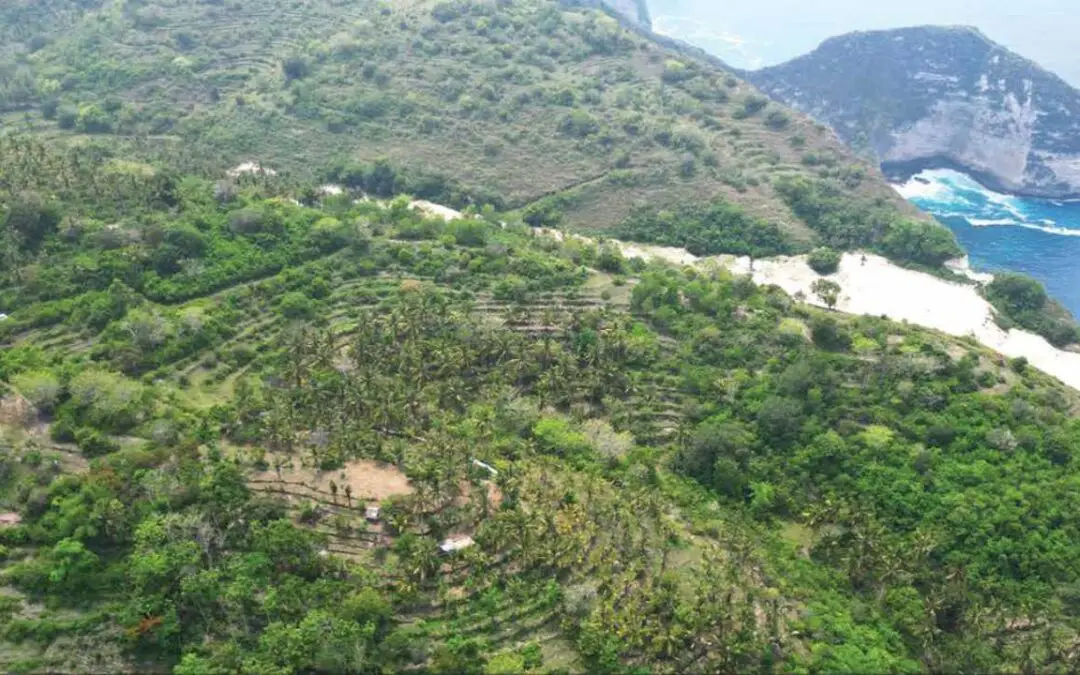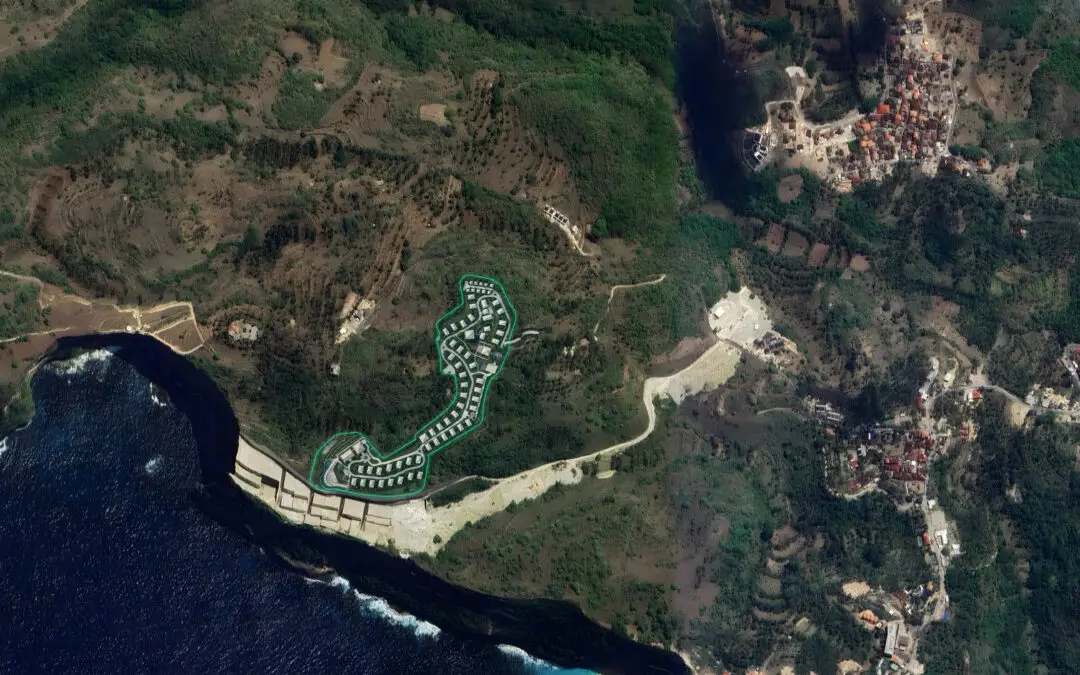
Just 30 minutes off the southeastern coast of Bali lies Nusa Penida, an island that has grown steadily in popularity without losing its mystical allure. While the island retains its authentic seclusion, access is seamless for those planning wisely.
According to Indonesia’s Ministry of Tourism, in 2024 alone, Nusa Penida welcomed over 800,000 visitors, a testament to its growing appeal among leisure seekers, eco-investors, and digital nomads alike. Whether you’re escaping for a weekend retreat or exploring long-term opportunities, your arrival shapes the rhythm of your stay, and this guide will help ensure you begin with clarity, confidence, and cultural respect.
Getting There: Updated Travel Routes in 2025
Travelling to Nusa Penida has become remarkably convenient, with daily crossings departing from three main harbours in Bali: Sanur, Kusamba, and Padang Bai.
Sanur remains the busiest gateway, featuring a modern beachfront terminal with structured boarding points and dry access piers. Over 60 fast boat services operate daily from Sanur to Nusa Penida, operated by companies such as Idola Express, Semabu Hills Fast Boat, and Angel Billabong Cruise. The journey takes approximately 35–45 minutes, and tickets cost between IDR 110,000 and IDR 300,000. Tickets can be booked through trusted platforms like 12Go Asia or Sanur Harbour’s website.
The Sanur Golden Triangle Harbour, designed by renowned Balinese architect Popo Danes, features a distinctive entrance adorned with a Gajah Mina sculpture—a mythical Balinese creature with the body of a fish and the head of an elephant. Blending traditional symbolism with modern functionality, the port’s architecture reflects Bali’s cultural identity while serving as a striking and meaningful gateway for travellers heading to Nusa Penida.
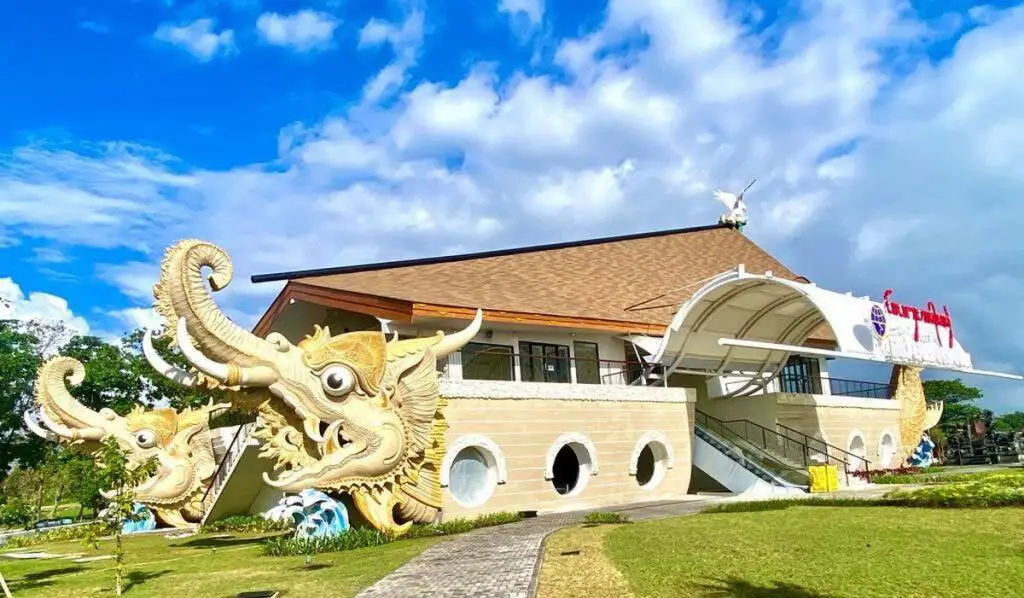
Photo Credit: baliharbour.com
Kusamba, located further east, offers a quieter departure point with shorter crossings (20–30 minutes), ideal for those heading to the island’s eastern coastline. Boat operators like Gangga Express, Mola-mola Express, Dwi Manunggal Fast Boat, and Semaya One reliably serve this route, with an average duration of 25 to 35 minutes. Tickets are typically available at local kiosks or via Kusamba Fast Boat, priced around IDR 100,000 to 250,000.
Padang Bai offers public ferry options through KMP Nusa Jaya Abadi for budget travellers or motorbike transport. Journey times are 90 minutes, and fares are under IDR 50,000. Though slower, this route is popular among expats and long-stay visitors.
Most fast boats arriving from Bali dock at Banjar Nyuh, Toyapakeh, or Sampalan Port, each offering convenient access to local transport services. Travellers can hire scooters for approximately IDR 75,000–100,000 daily, or opt for private drivers for greater comfort and flexibility. It’s also advisable to download offline maps and confirm directions with your accommodation in advance, especially when heading to remote eco-resorts or hidden beaches.
The New Sampalan Port in Nusa Penida offers a more streamlined and comfortable arrival experience for Bali’s east coast visitors. With improved docking facilities, sheltered waiting areas, and better access to local transport, the port now serves as a vital hub for those heading to the island’s eastern and central regions. Its clean, modern design blends functionality with local charm, supporting the island’s growing tourism while easing congestion at other entry points.
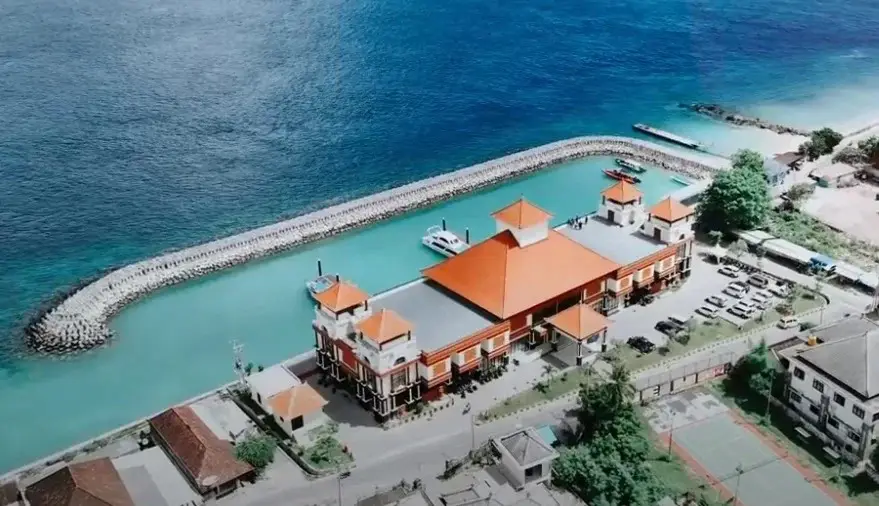
The New Sampalan port terminal was opened in November 2022
Photo Credit: penidaharbour.com
Nusa Penida is set to gain from a series of government-supported infrastructure developments. Quoted from The Bali Sun, in April 2025, Governor Wayan Koster launched a province-wide initiative involving 47 dedicated teams to plan and oversee key infrastructure projects across Bali, including Nusa Penida. Among the headline developments is a new one-kilometre road connecting Broken Beach and Angel’s Billabong, designed to improve safety and visitor access between these popular landmarks.
Upon arrival, all visitors are kindly asked to pay a local tourist levy of IDR 25,000 for adults and IDR 15,000 for children. This modest contribution supports essential environmental conservation and tourism management efforts across the island. Payment is typically made at the port entry point, so having small cash ready is helpful (they don’t accept bank cards).
What to See in Nusa Penida: Iconic Spots and Hidden Corners
For those drawn to Nusa Penida’s renowned marine life, particularly snorkelling or diving in the Nusa Penida Marine Protected Area, an additional marine conservation fee of IDR 100,000 per day applies. This fee directly supports the preservation of coral reefs and aquatic ecosystems and is often included in reputable tour operator packages.
To make the most of your stay, it’s wise to time your visit with the island’s dry season, which runs from April to October. These months offer the best conditions for beach hopping, cliff walks, and water-based activities. However, remember that this is also peak season, so early accommodation and transport bookings are advisable.
-
Kelingking Beach: The Island’s Crown Jewel
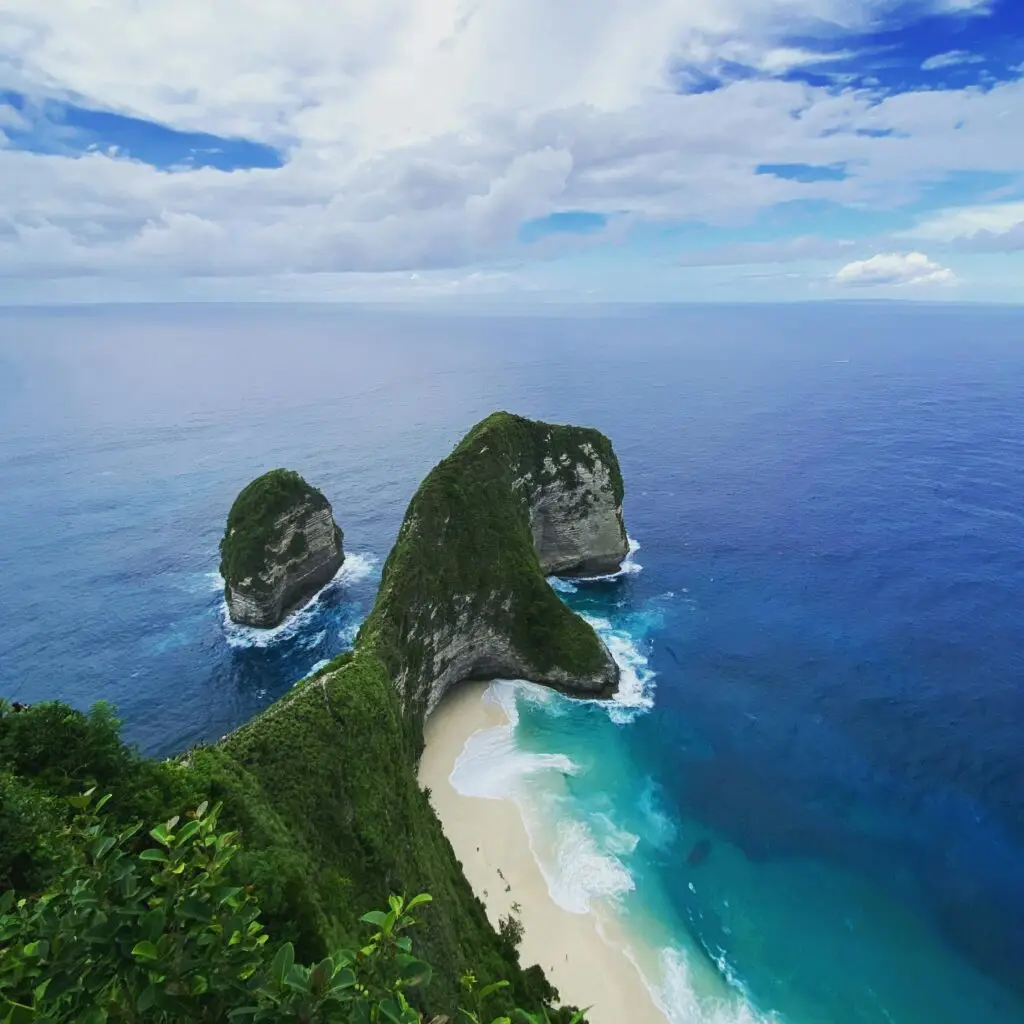
A T-Rex-shaped cliff, carved by nature’s hand, stands as a testament to the island’s raw beauty and power.
No journey to Nusa Penida would be complete without a stop at Kelingking Beach, arguably the island’s most photographed location. From the clifftop viewpoint, visitors are greeted with the surreal sight of a limestone headland curling into the sea, resembling the spine of a T Rex. However, beauty this iconic rarely comes without a crowd.
In recent years, Kelingking Beach has become a magnet for Instagrammers and tour groups alike. Arrive early, ideally before 8 AM, for a better chance of capturing a serene shot without elbowing your way to the railing. For those keen to descend to the beach, be prepared: the path is steep and uneven and better suited to confident climbers.
For those who prefer the view of Kelinking beach while immersing themselves in a luxury lifestyle, CROSS Celesta Nusa Penida is planned to open its doors to discerning travellers in Q4 2027, where our guests will be able to enjoy the view of the famous “T-Rex” spine right from our infinity pool area.
-
Atuh Beach and Diamond Beach: Sunrise and Solitude
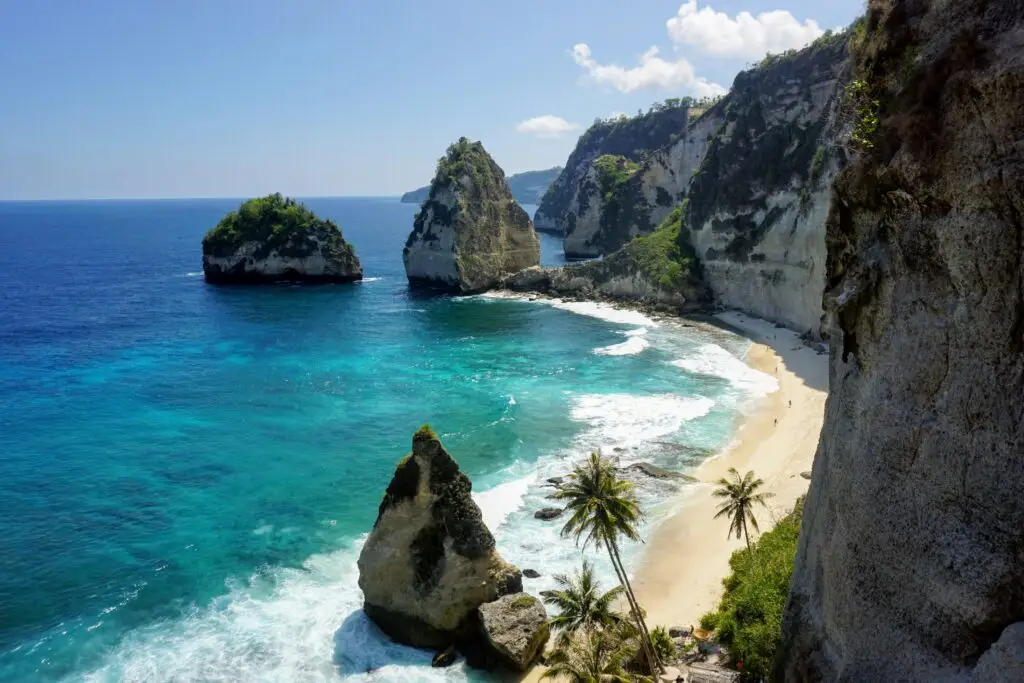
Atuh Beach is best visited at sunrise, perfect for early risers and photographers.
On the eastern coast, Atuh Beach and Diamond Beach offer some of the most serene vistas on the island. Atuh Beach is known for its unique rock arch, which makes for an ethereal sunrise backdrop. Just around the headland, Diamond Beach boasts powdery white sand and gleaming sea stacks. A stone staircase makes reaching the beach easier, though care is still advised.
Although both beaches feel remote, do not be misled into thinking they are completely safe. Diamond Beach, in particular, is famous for its deceptively strong currents. Swim with caution and always seek local advice before entering the water.
-
Crystal Bay: Dive into Marine Bliss
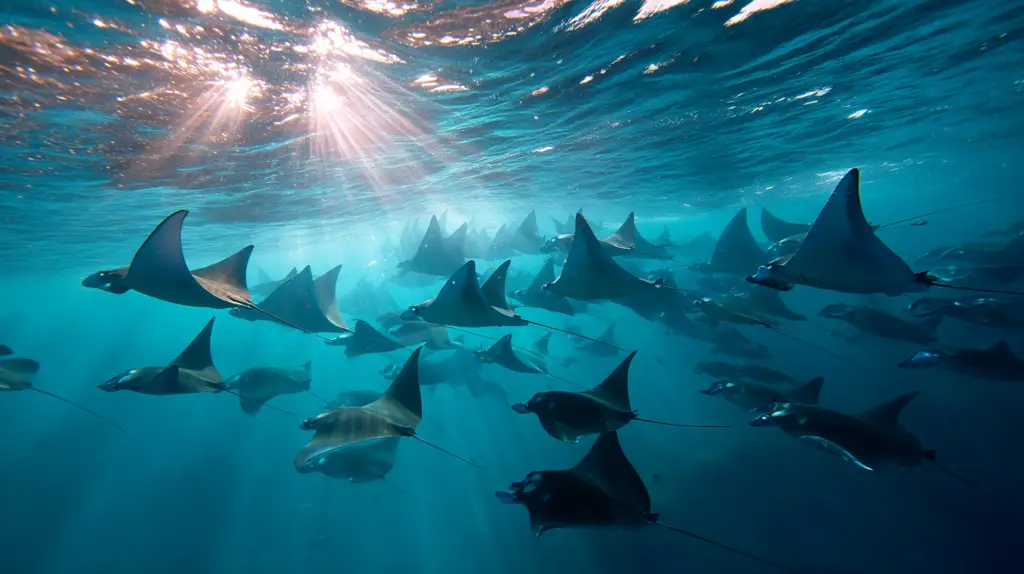
Local dive operators are committed to marine conservation, educating guests to keeping distance from the manta rays.
To the west lies Crystal Bay, a paradise for snorkellers and sunset seekers. The bay’s calm waters and vibrant coral make it an accessible underwater playground, often teeming with tropical fish. Dive operators in the area also offer trips to nearby Manta Point, where lucky swimmers can spot graceful manta rays gliding through the currents, a highlight of any Nusa Penida itinerary. Manta Point offers year-round sightings, but the best visibility tends to occur between April and October, during the island’s dry season.
-
Angel’s Billabong and Broken Beach: Nature’s Architecture
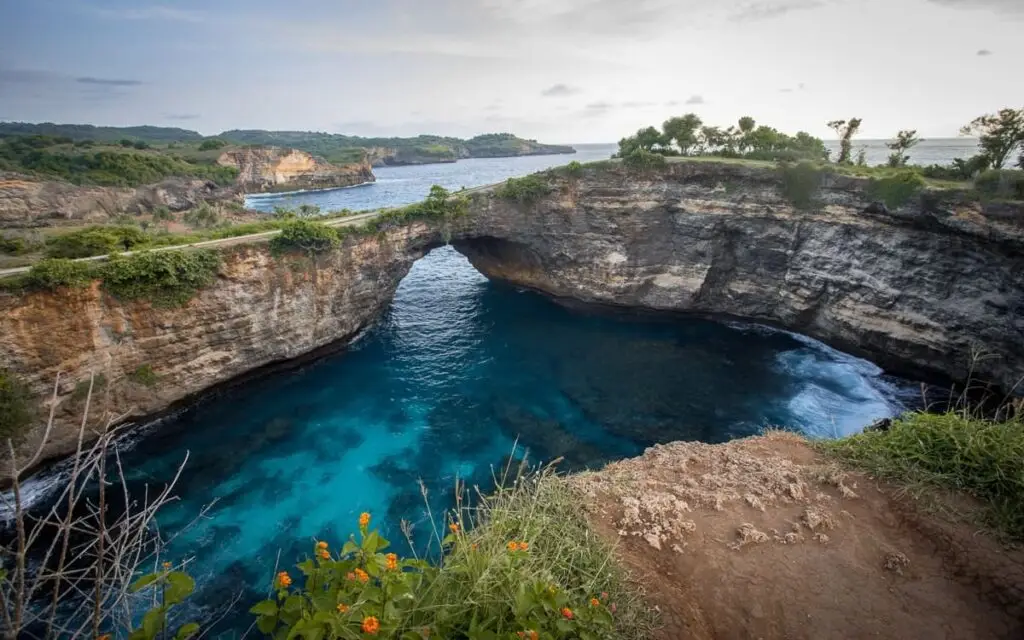
Both Angel’s Billabong and Broken Beach are located within walking distance of each other.
A short drive inland from Crystal Bay brings you to Angel’s Billabong and Broken Beach, two geological marvels set side by side. Angel’s Billabong forms a natural infinity pool that appears to spill directly into the ocean, while Broken Beach features a dramatic arched cliff enclosing a blue lagoon. These spots tend to draw mid-morning crowds, so visit early or later in the day for a more peaceful experience.
-
Goa Giri Putri: Sacred in Stone
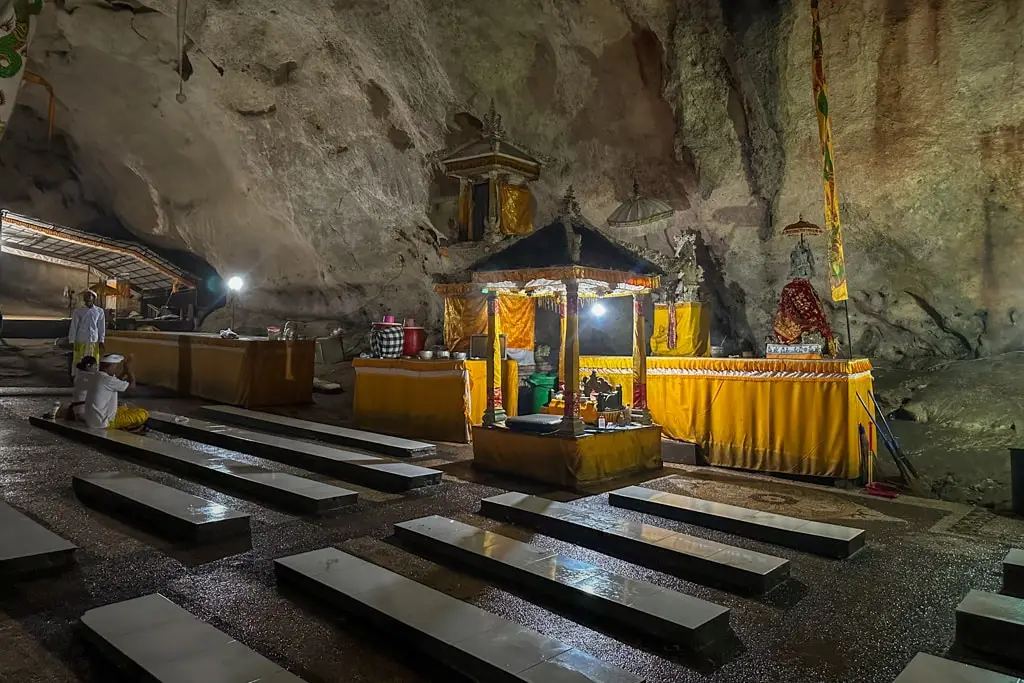
Photo Credits: Baliuntold.com
Not all of Nusa Penida’s wonders are found along the coast. Tucked away on a forested hillside is Goa Giri Putri, a cave temple accessible through a narrow rock crevice. Inside, a vast cavern is used for Balinese Hindu ceremonies and meditation. Visitors are asked to dress respectfully (sarongs are usually available at the entrance) and enter with reverence, as the site remains active with local worshippers.
Eat Where the Cliffs Meet the Sky
While touring the island, pause at one of the many cliffside warungs—humble, family-run eateries with views to rival any fine-dining venue. Many of these spots serve simple yet delicious meals, such as grilled fish, fresh coconut, and nasi campur. Most accept cash only, so bring small bills and linger awhile. It’s here, with sea breeze on your face and sambal on your tongue, that the spirit of Nusa Penida truly reveals itself.
Cactus Beach Club in Nusa Penida is a vibrant seaside retreat that blends tropical charm with laid-back sophistication. Located on the island’s scenic east coast, the club features a signature double-diamond pool, lush palm-fringed surroundings, and uninterrupted ocean views, making it a favourite among sunseekers and families. Open daily from 11 AM to 10 PM with no entrance fee or minimum spend, it offers a welcoming space to unwind. Guests can enjoy a diverse menu of sushi, wraps, tacos, wood-fired pizzas, and refreshing cocktails and smoothies. With spa services, a children’s playground, and complimentary pick-up and drop-off, Cactus Beach Club delivers an all-day island experience with effortless style.
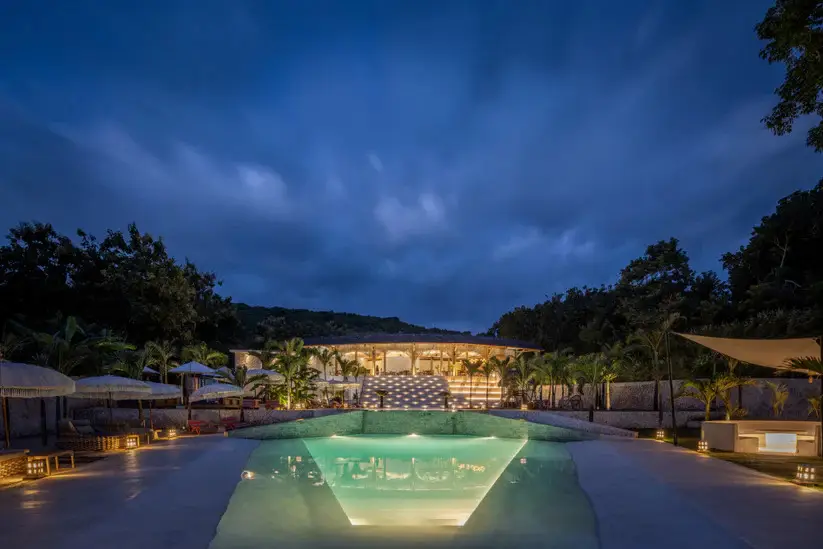
Photo Credit: @cactusnusapenida
Where to Stay: Eco-Resorts and Ethical Escapes
When it comes to accommodation in Nusa Penida, the options remain fairly limited, especially for travellers who love to travel and stay in style. While plenty of simple guesthouses and budget-friendly lodgings exist, stylish, well-curated stays are still few and far between.
For travellers prioritising comfort and conscious living, finding accommodations that strike the perfect balance between style and sustainability can be challenging. This gap in the market highlights the growing demand for destinations that offer upscale amenities while respecting and preserving the natural environment.
CROSS Celesta Nusa Penida is set to be a premier choice for those seeking a luxurious, eco-friendly retreat that maintains high standards in aesthetics, experience, and integrity. We offer a rare and exciting proposition for discerning investors seeking to align lifestyle with long-term value.
Now open for fractional investment, CROSS Celesta allows investors to earn guaranteed returns from multiple income streams. With a potential 15+% projected annual return, exclusive benefits such as up to 10 complimentary nights per year and an 80-year leasehold/leaseback framework for one of 145 exclusive land lots, CROSS Celesta represents more than a financial opportunity—it’s a chance to be part of Bali’s next chapter of regenerative hospitality.
To learn how you can join this visionary project, visit www.crosscelesta.com/invest.