For more than a decade, Canggu and Uluwatu defined Bali’s property boom. But as land becomes scarce and development intensifies, investors are beginning to look for the islands next opportunity.
Increasingly, that search is leading to Nusa Penida.
Indonesia remains one of Southeast Asia’s most resilient economies, with the World Bank projecting economic growth of around 5% annually in the coming years. Combined with Bali’s global reputation as one of the world’s most desirable travel destinations, this stability continues to strengthen confidence in Bali property investment.
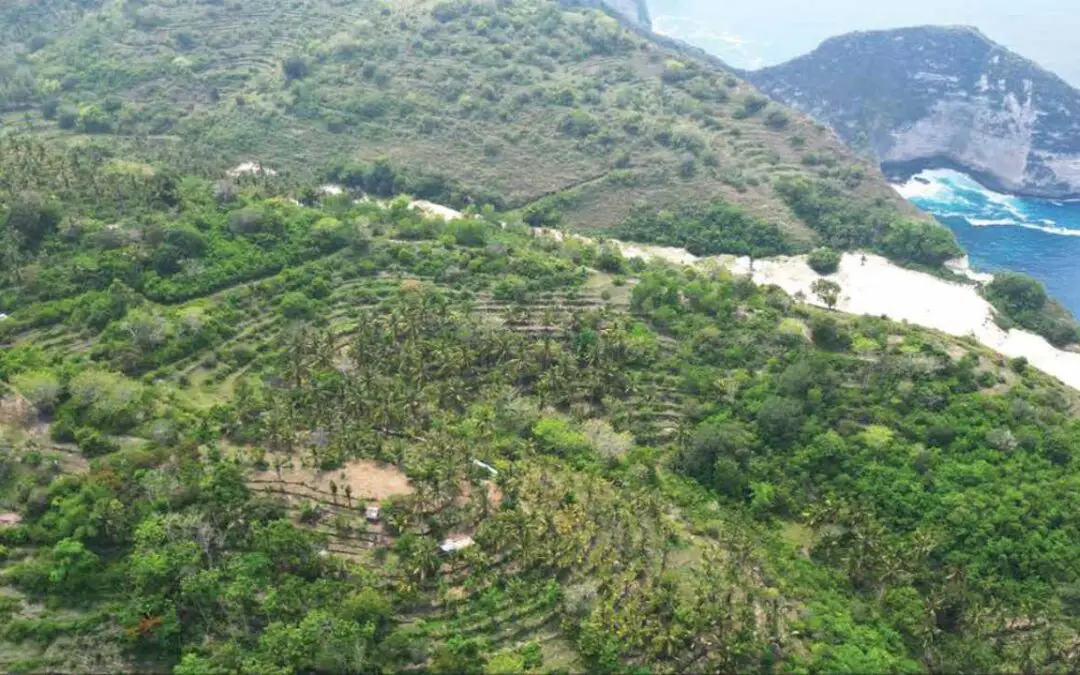
Located just 45 minutes by boat from Bali mainland, Nusa Penida is known for its dramatic cliffs, turquoise waters, and pristine marine ecosystems. Once considered a day-trip destination primarily, the island is now emerging as one of the most promising locations for Bali real estate investment.
Before diving deeper, here’s a quick snapshot of why investors are increasingly looking toward Nusa Penida:
- Strong tourism growth across Bali
- Lower land prices compared with Canggu and Uluwatu
- Attractive rental yield potential
- Rising demand for nature-driven luxury travel
- An emerging destination still in its early discovery phase

With its rapid development and growing tourism demand, Nusa Penida has captured the attention of both local and international investors.
Here are five reasons why Nusa Penida is becoming one of Bali’s most promising property investment destinations.
1. Bali’s Tourism Growth Continues to Strengthen Property Demand
Tourism remains the primary driver behind Bali real estate investment.
According to the Bali Central Statistics Agency (BPS), the island welcomed 6.33 million international visitors in 2024, surpassing pre-pandemic tourism levels.
Industry data from the Bali Hotels Association shows that visitor arrivals continued to rise in 2025, reaching approximately 6.94 million international tourists, representing nearly 10% year-on-year growth.
Australia remains Bali’s largest visitor market, accounting for more than 23% of international arrivals, followed by India, China, and South Korea.
As tourism continues expanding, demand for accommodation is spreading beyond established areas such as Seminyak and Canggu into emerging destinations like Nusa Penida. This growing visitor flow strengthens the long-term outlook for property investment in Bali.
2. Lower Entry Cost Compared With Mainland Bali
Entry price is one of the most important factors when considering investing in Bali real estate.
In established destinations such as Canggu, land prices have risen dramatically due to increasing demand and limited availability.
Nusa Penida still offers relatively lower land prices, particularly for larger parcels suitable for hospitality developments.
Lower acquisition costs allow investors to secure larger land positions, develop low-density resort concepts, and maintain stronger development margins.
For many investors, this makes Nusa Penida property investment significantly more accessible compared with entering mature mainland markets.
3. Attractive Rental Yield Potential
Another reason Bali continues to attract international investors is its rental yield potential.
According to market data cited by Knight Frank Indonesia, luxury villas in Bali can generate annual rental yields between 7% and 12%, depending on occupancy and location.
By comparison, residential property yields in many mature global markets often range between 3% and 5%.
This difference continues to attract investors looking for stronger income opportunities through Bali real estate investment.
Emerging destinations such as Nusa Penida may benefit even further as tourism demand grows while luxury accommodation supply remains limited.
4. Rising Demand for Nature-Driven Luxury Travel
Travel preferences have shifted significantly in recent years.
Rather than crowded nightlife districts or urban beach towns, many travelers now prioritize destinations that offer privacy, nature, wellness experiences, and authentic cultural connections.
This shift has fueled the growth of eco-luxury resorts and sustainable hospitality developments.
Nusa Penida’s dramatic cliffs, pristine beaches, and rich marine biodiversity align naturally with this trend, strengthening its potential as a destination for experiential tourism and real estate investment in Bali.
5. Nusa Penida Is Entering Its Discovery Phase
Tourism destinations often evolve through predictable stages: discovery, boutique hospitality, large-scale tourism, and eventual saturation.
Many investors believe Canggu and Uluwatu have already entered the later stages of this cycle.
Nusa Penida, however, is still in its discovery phase.
As tourism awareness grows and hospitality development expands, the island may soon transition into the next stage of growth.
For investors seeking early opportunities in Bali property investment, entering a destination during this phase can offer significant long-term potential.
CROSS Celesta Nusa Penida: A New Generation of Eco-Luxury Resort
As interest in Nusa Penida grows, a new generation of hospitality developments is beginning to redefine the island’s tourism landscape.
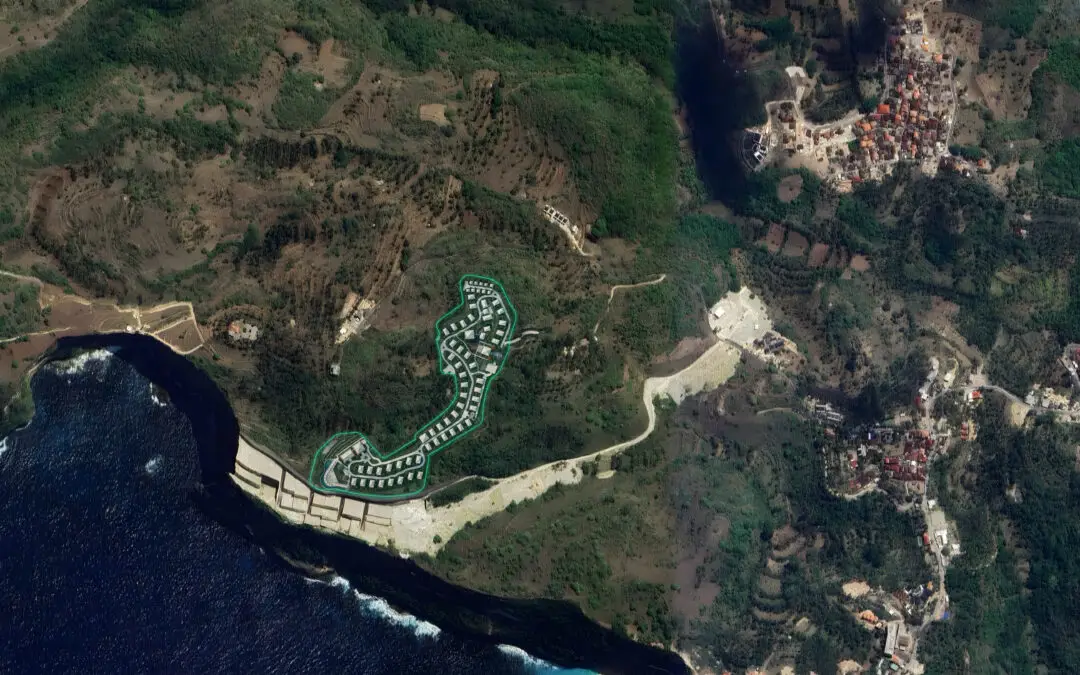
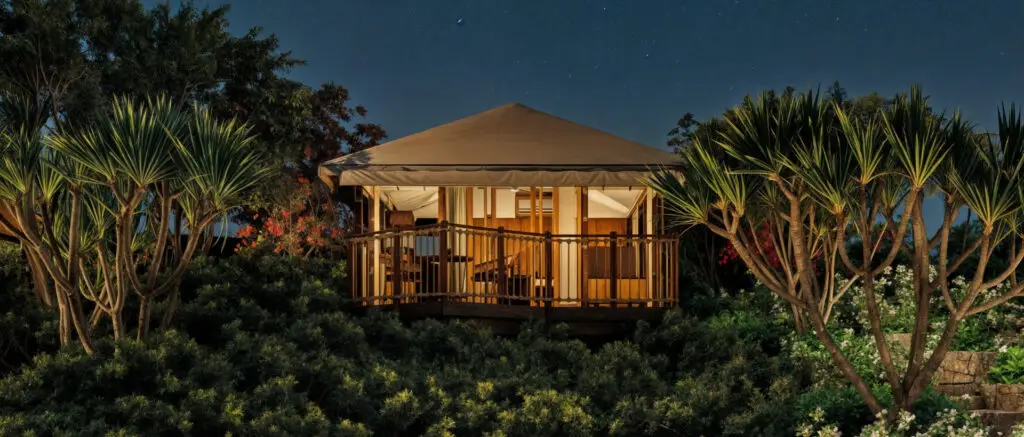
One such project is CROSS Celesta Nusa Penida, an eco-luxury cliffside retreat overlooking the Indian Ocean and the iconic Kelingking coastline.
Designed to blend architecture with nature, the resort features 61 private tented villas positioned across one of the island’s most breathtaking landscapes.
The project reflects a new direction in Bali property investment, where hospitality experiences emphasize sustainability, wellness, and immersive travel.
Facilities include a farm-to-table restaurant celebrating local ingredients, an infinity pool and ocean-view bar, a spa and recovery sanctuary, a cross-fit wellness zone, an amphitheatre for cultural gatherings, and a family playground.
By integrating eco-conscious design with panoramic ocean views, CROSS Celesta Nusa Penida embodies the emerging identity of the island as a destination where nature, luxury, and mindful travel converge.
Contact us at [email protected] to learn more about your next investment.